
Agile, Waterfall, Scrum, Hybrid, XP or DevOps?
Which Project Management Methodology Is Right for Your Business?
There is no universally “best” methodology. The right approach depends on the nature of the product, the level of technical uncertainty, compliance requirements, customer involvement, team structure, and how quickly requirements are expected to change.
This article explains the major development methodologies used in modern engineering and software environments, compares their strengths and weaknesses, and explores where each approach works best in practice.
Waterfall
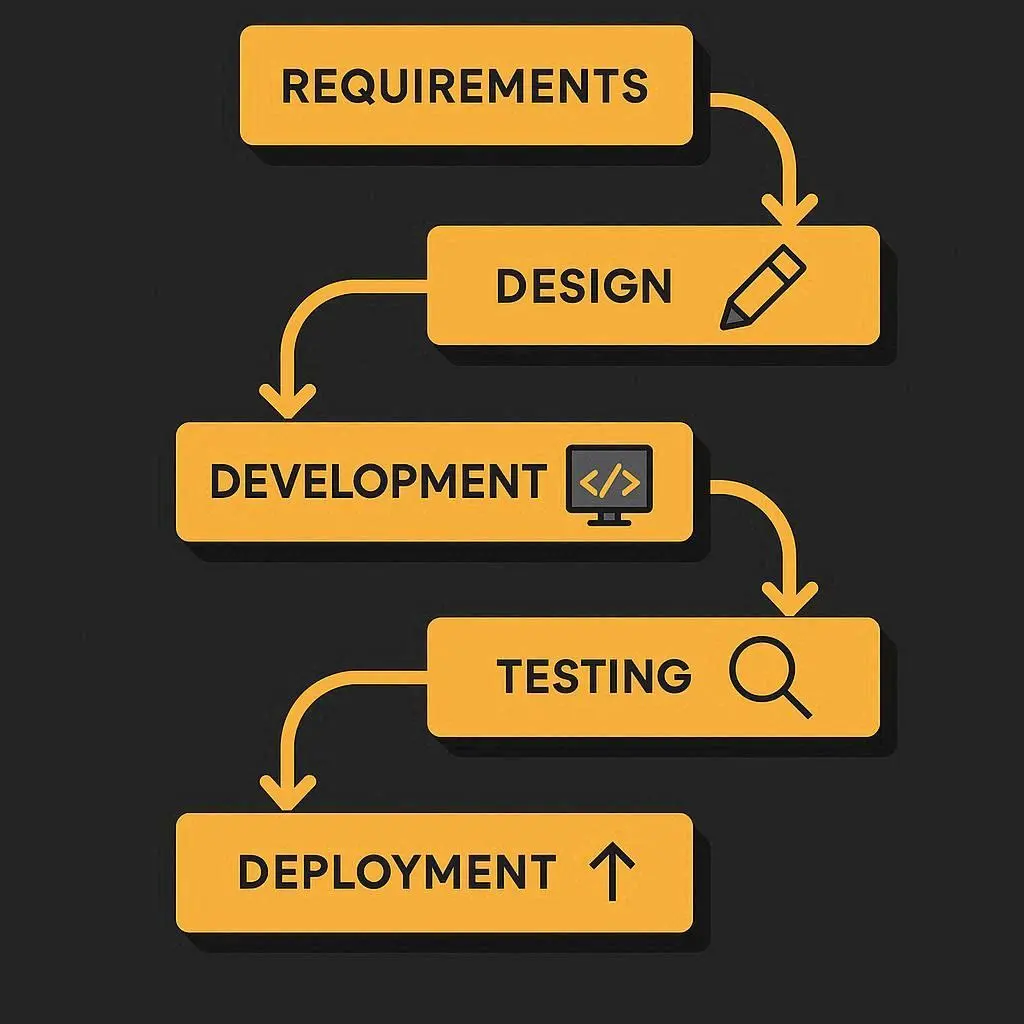
Because of its structured nature, Waterfall works well in industries where: requirements are clearly defined, compliance is important, documentation is mandatory, changes are expensive
Waterfall is still widely used in:
> Aerospace
> Defence
> Industrial systems
> Medical devices
> Large infrastructure projects
> Hardware manufacturing
For example, designing an automotive braking controller or medical monitoring device often requires extensive documentation, traceability, and formal validation procedures. In these environments, a highly structured approach is often necessary.
The biggest weakness of Waterfall is flexibility. If requirements change late in development, adapting can become expensive and time-consuming.
| Best suited for: | Less suitable for: |
| fixed-scope engineering projects regulated industries hardware-heavy products projects with strict compliance requirements | startups rapidly changing software products experimental or research-heavy development |
Agile
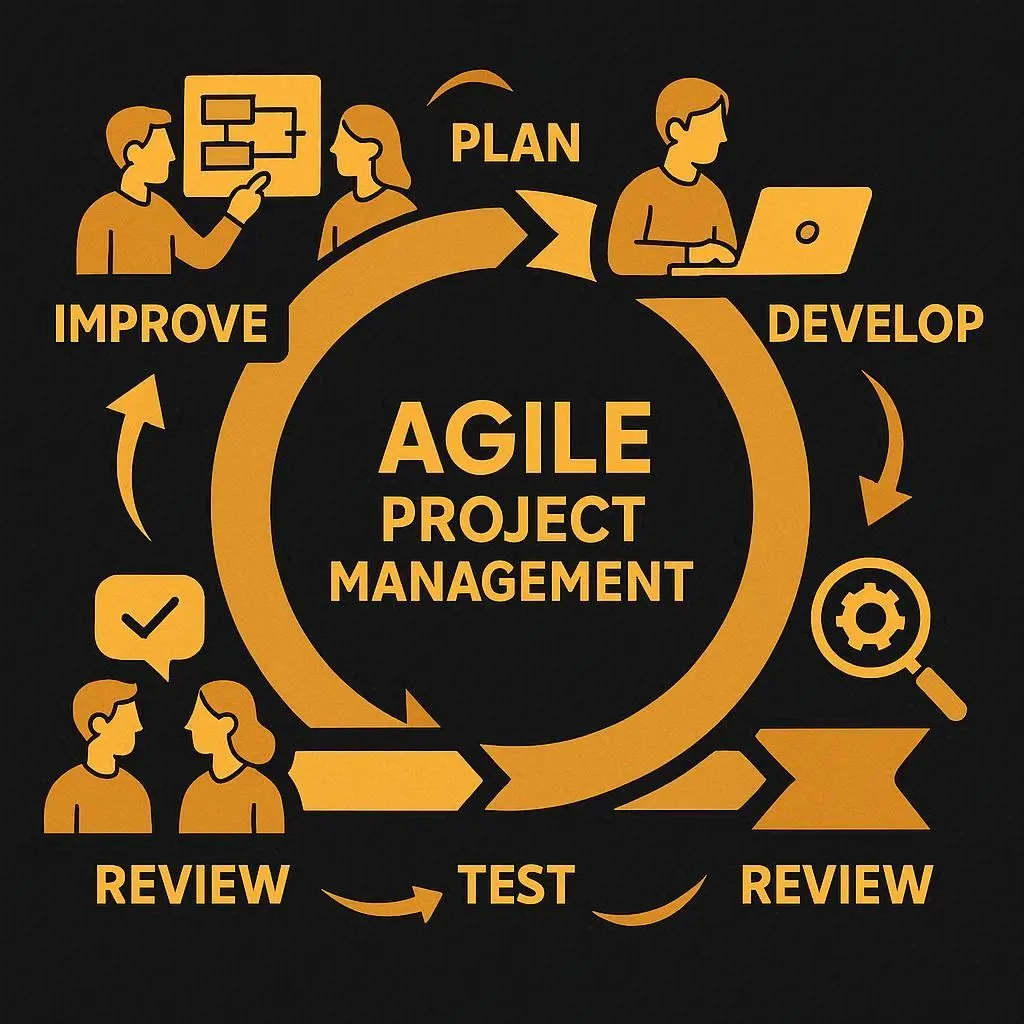
Agile became dominant in:
> SaaS platforms
> mobile applications
> web platforms
> cloud software
> AI products
> digital startups
Its flexibility allows organisations to move quickly and continuously refine products based on customer feedback.
However, Agile also introduces challenges. Without strong leadership and disciplined planning, projects can suffer from:
unclear scope, shifting priorities, delivery instability, poor documentation
Agile works best when teams are experienced and communication is strong.
| Best suited for: | Less suitable for: |
| software platforms rapidly evolving products customer-driven applications startups and innovation teams | highly regulated projects environments requiring rigid documentation projects with fixed and unchangeable requirements |
Scrum
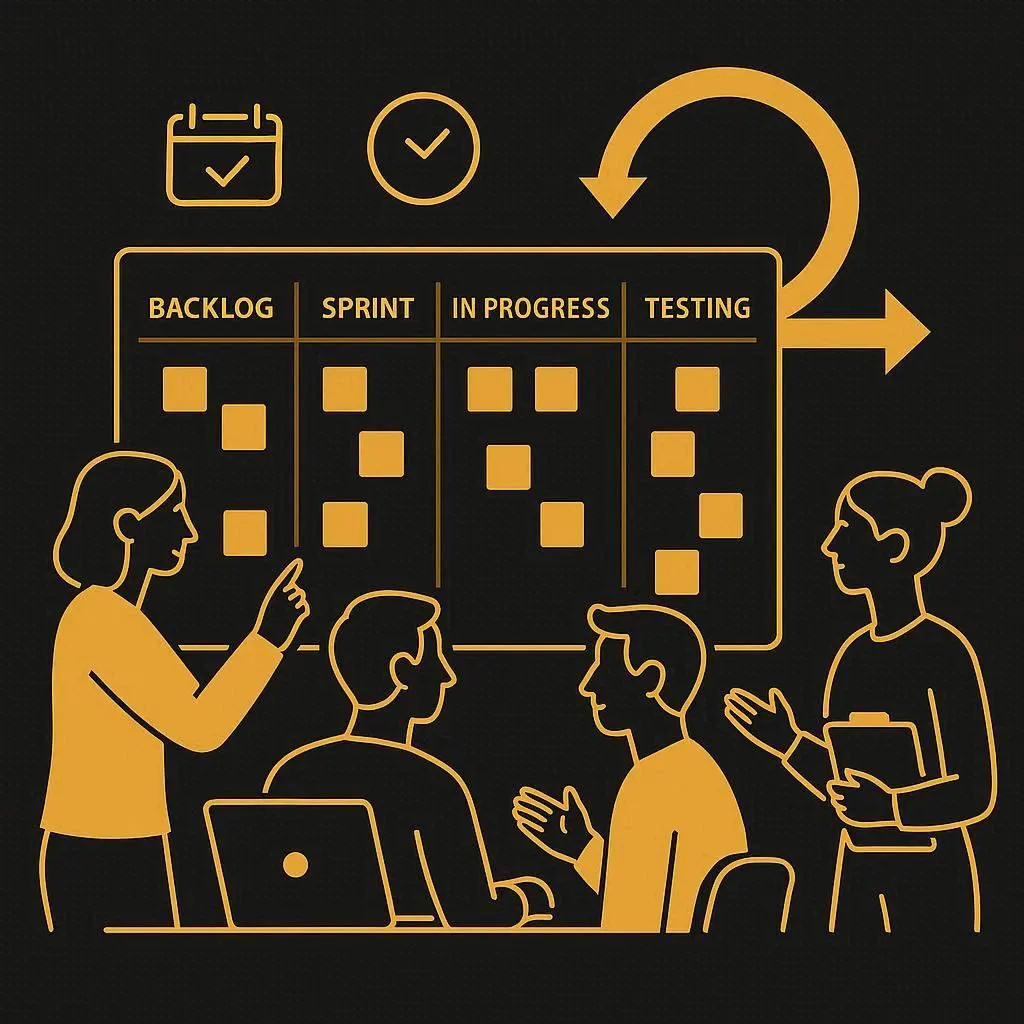
Scrum works particularly well for teams that need:
> regular delivery cycles
> high collaboration
> fast feedback
> visibility into development progress
Many software organisations use Scrum because it creates predictable development rhythms while maintaining Agile flexibility.
However, Scrum can become inefficient if teams focus too heavily on process ceremonies rather than actual engineering output.
| Best suited for: | Less suitable for: |
| software development teams SaaS companies product-focused engineering teams collaborative cross-functional environments | small maintenance teams hardware-only development organisations with limited Agile maturity |
Kanban
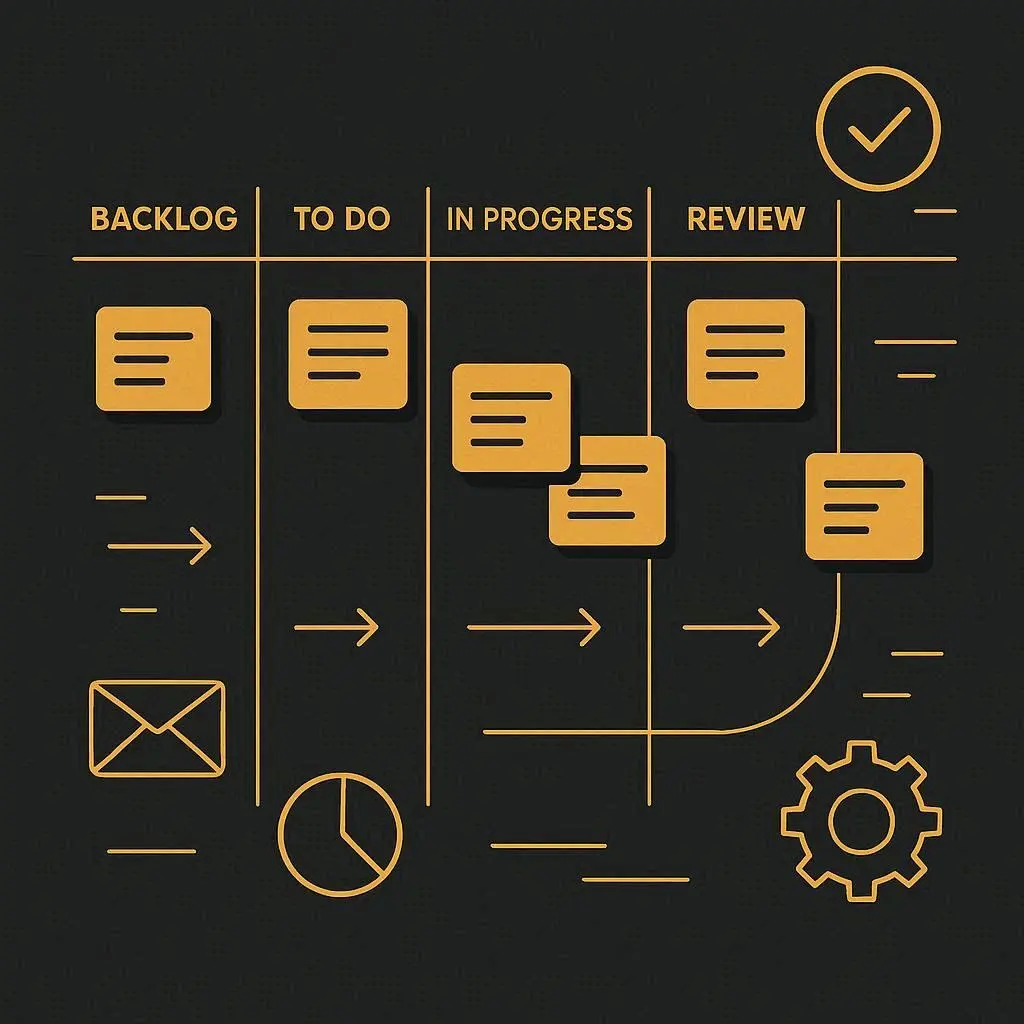
Kanban is highly effective in operational environments where priorities change frequently.
It is commonly used in:
> DevOps teams
> support teams
> firmware maintenance
> infrastructure operations
> continuous service delivery
One of Kanban’s biggest strengths is simplicity. Teams can adopt it gradually without major organisational restructuring.
However, Kanban provides less strategic structure for large-scale product planning.
| Best suited for: | Less suitable for: |
| support and maintenance teams operational engineering continuous delivery environments DevOps workflows | large greenfield product development projects requiring strong milestone planning |
Extreme Programming (XP)
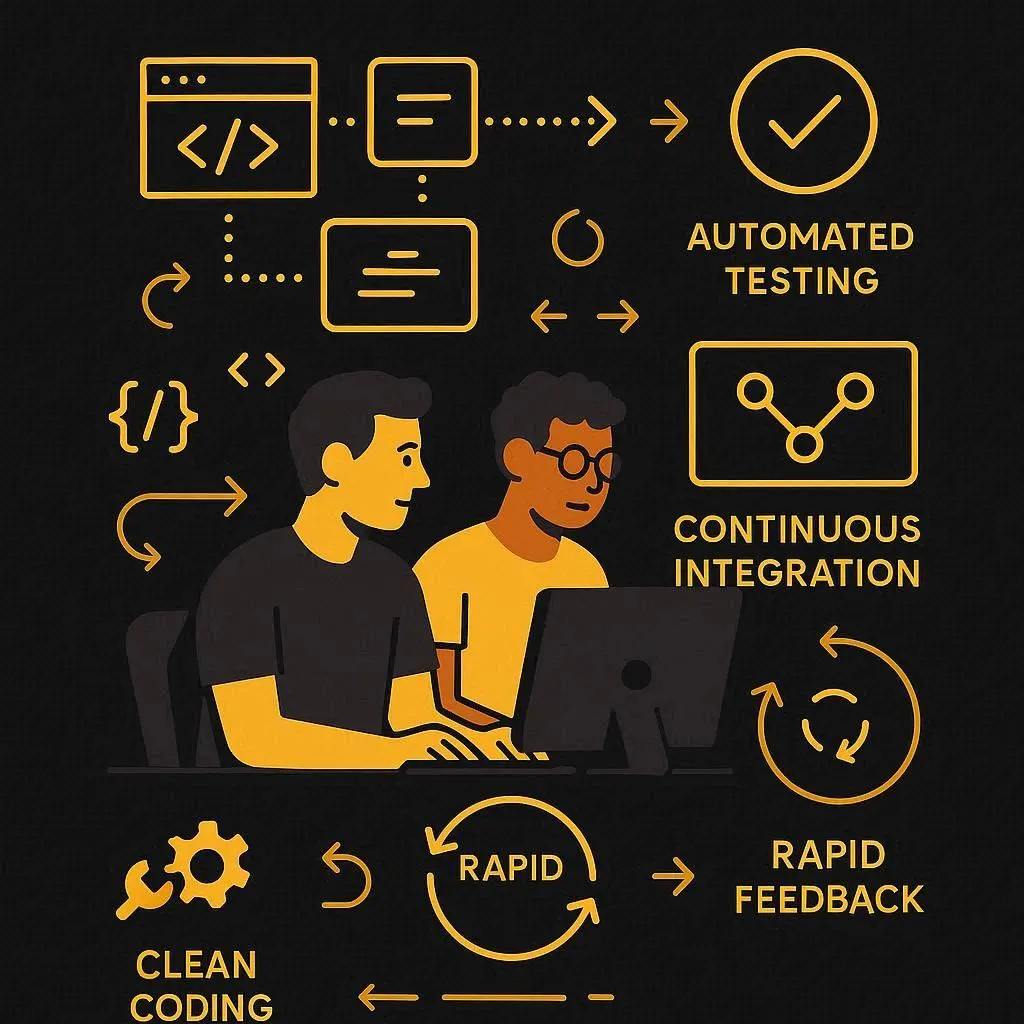
XP places strong emphasis on close collaboration between developers and customers. Feedback loops are intentionally short so teams can identify issues early and continuously improve the product.
XP works particularly well in software environments where:
> reliability is critical
> requirements evolve quickly
> engineering discipline is strong
> rapid iteration is necessary
Many organisations now use XP practices even if they do not formally adopt XP as a complete framework.
| Best suited for: | Less suitable for: |
| high-quality software engineering fast-moving software teams technically mature organisations products requiring frequent updates | hardware-dominated projects teams without strong engineering discipline large distributed organisations with weak collaboration |
DevOps
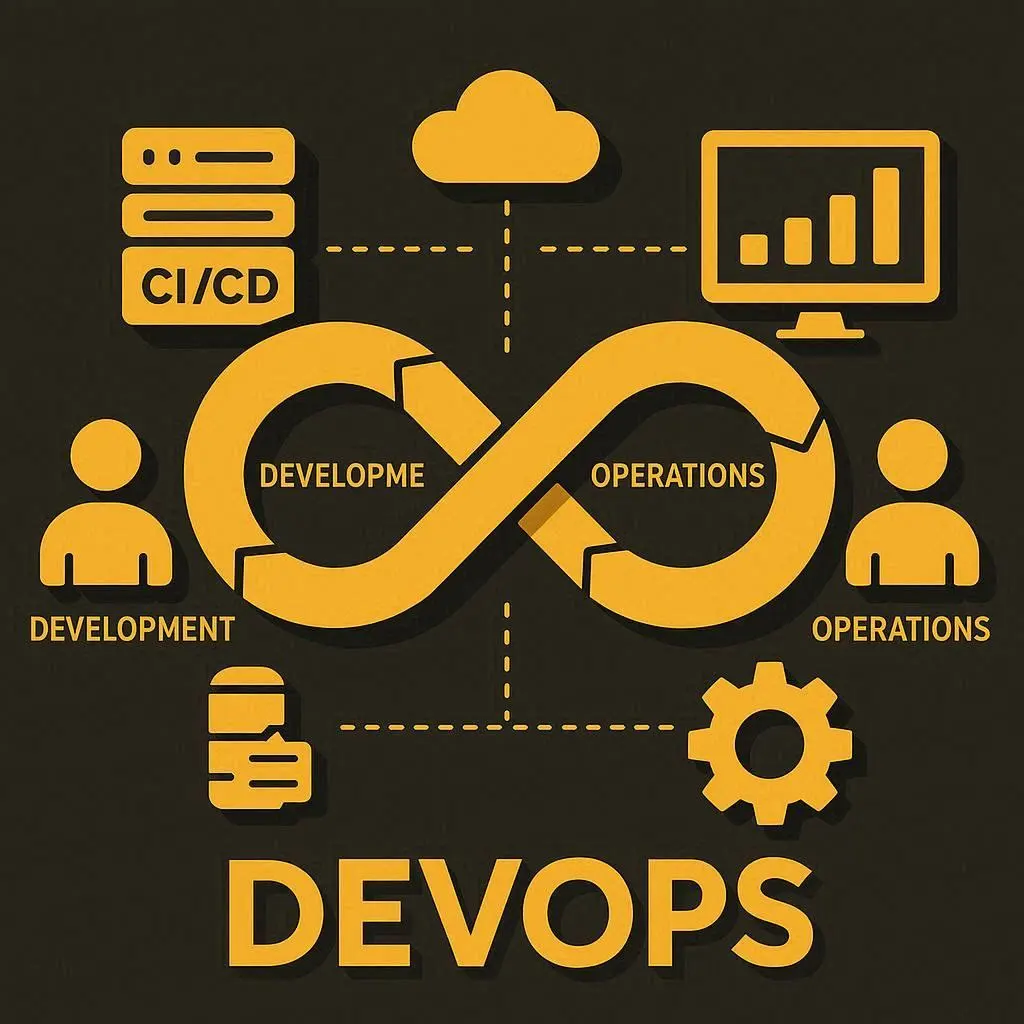
DevOps attempts to solve this through:
> automation
> continuous integration
> continuous deployment
> infrastructure as code
> monitoring and feedback systems
DevOps has become essential for:
> cloud platforms
> SaaS systems
> scalable web applications
> modern infrastructure environments
The methodology significantly improves deployment speed and operational reliability.
| Best suited for: | Less suitable for: |
| cloud infrastructure SaaS platforms scalable web systems organisations requiring rapid deployment | purely offline systems low-frequency release environments |
Hybrid Methodologies
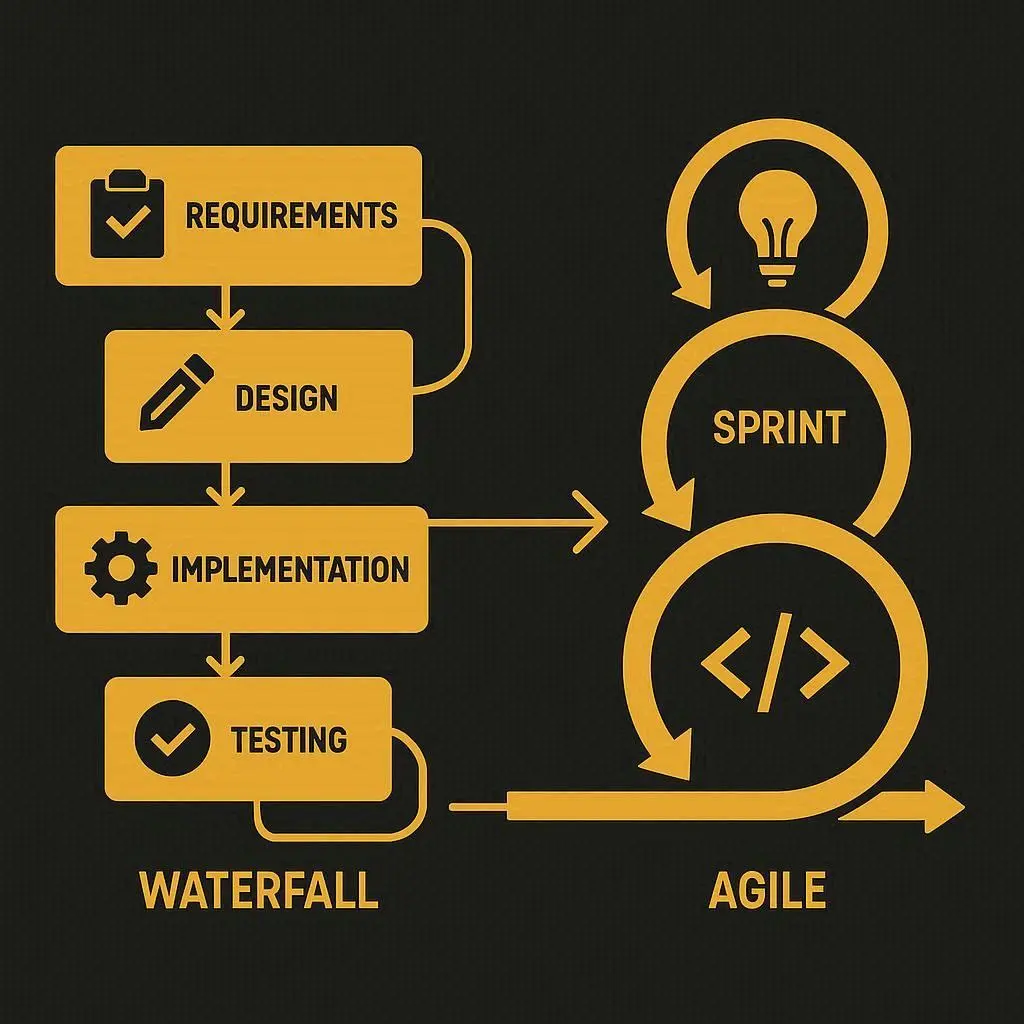
This hybrid approach is increasingly common in:
> embedded systems
> industrial automation
> robotics
> automotive systems
> AI-enabled products
> medical technologies
Hybrid development allows organisations to balance:
> flexibility
> compliance
> engineering quality
> operational efficiency
> long-term planning
For many modern engineering companies, hybrid methodologies are the most commercially realistic approach.